
By how much can a fingerprint really destroy your design?
Inside the CAD environment, everything is perfect; accurate down to the thousandth of a millimeter. But once the drawing reaches the shop floor, reality is far messier.
As a design engineer, it’s easy to play it safe and specify very tight tolerances to ensure everything fits. Here are two things to keep in mind for your next drawing release:
A 10°C temperature increase results in roughly 1.2*10-6 m of expansion of a 1 meter long steel component
Steel expands and contracts. If you’ve designed a one-meter-long steel component, such as a shaft or a load-bearing beam, and the workshop temperature rises by 10°C from a cold morning to the afternoon, the steel will expand by as much as 1.2*10-6 m.
If you’ve specified a tight tolerance, the part can suddenly fall completely out of spec in the inspection room, purely due to ambient temperature.
Your fingerprint can ruin the fit
Specifying tolerances of 0.1*10-6 m is easy on a drawing, but in reality, a typical human hair is almost ten times thicker (approximately 0.8*10-6).
In fact, even the thin film of grease from a single fingerprint is around 0.02*10-6 m thick. When you combine microscopic tolerances with microscopic contamination, you essentially need cleanroom-level conditions just to assemble or measure the part correctly.
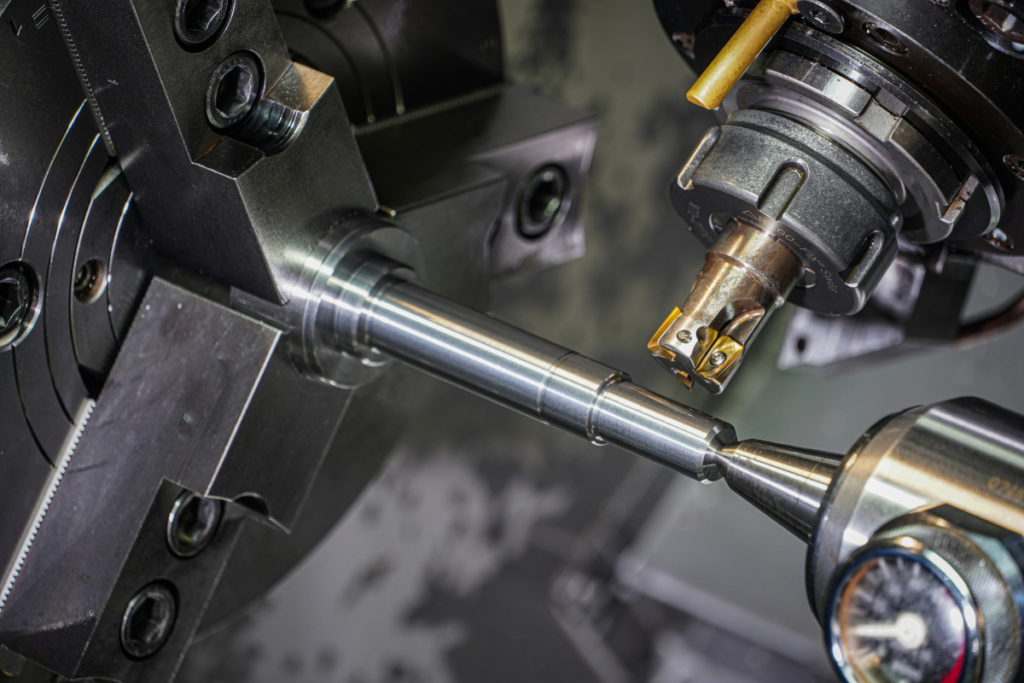
When reviewing drawings daily or standing in production trying to assemble components, one thing becomes very clear: the cost curve for tight tolerances looks like a hockey stick.
Every extra zero after the decimal point can mean a tenfold increase in manufacturing cost, more advanced machining methods, and a significant increase in scrap.
The real challenge in engineering is rarely about specifying the tightest tolerances possible. Instead, it is about finding tolerances that are precise enough to ensure functionality without introducing unnecessary complexity and cost.