
Why do we use standard scales on technical drawings?
The reason we use scales like 1:2, 1:5, and 1:10 is not just about standardization; it’s about how we as humans perceive and understand size.
When scales follow a clear mathematical pattern, where each step is a simple multiple of the others, it becomes much easier to quickly visualize the real-world size of an object.
It’s simply more intuitive to think “half the size” (1:2) or “ten times smaller” (1:10) than to interpret irregular or arbitrary scales. Because of this, engineers, manufacturers, and assembly teams can immediately form a mental picture of the component without having to calculate its true size every time.
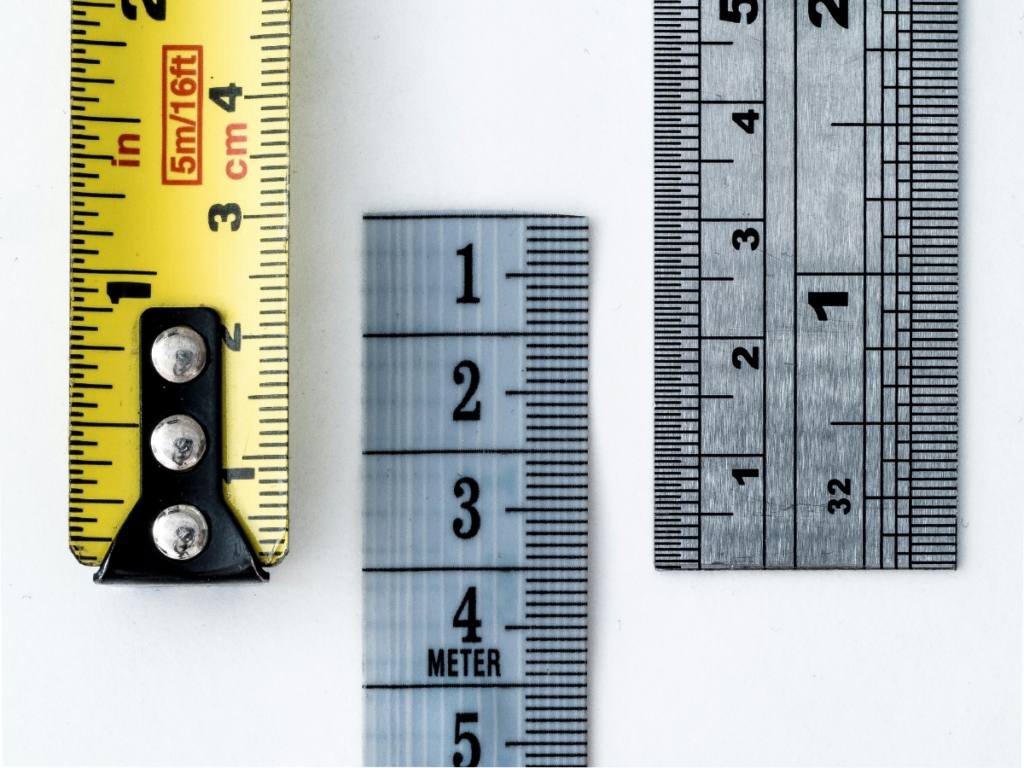
At the same time, these scales are designed to work seamlessly with standardized paper formats like A4, A3, and A2. This ensures that drawings are well-balanced, neither too cramped nor too sparse, which improves readability and reduces the risk of misinterpretation.
In short, standard scales are used because they align with both mathematics and human intuition: they make drawings easier to calculate, easier to compare, and most importantly: easier to visualize in the real world.